Why Is My Pet Breathing Fast While Resting?
Your dog or cat is curled up on the couch, not exercising or excited, but their breathing looks faster than usual. Should you be concerned? Sometimes a temporary increase in breathing is harmless, but rapid breathing while resting can also signal pain, overheating, illness, or a problem involving the heart or lungs.
At VetExpress Animal Urgent Care in Richmond, Texas, we see dogs and cats with sudden symptoms that can be difficult to interpret at home. Knowing what normal breathing looks like can help you recognize when something may be wrong.
What Is a Normal Resting Breathing Rate for Dogs and Cats?
For most healthy dogs and cats, a normal resting respiratory rate is generally around 15 to 30 breaths per minute.
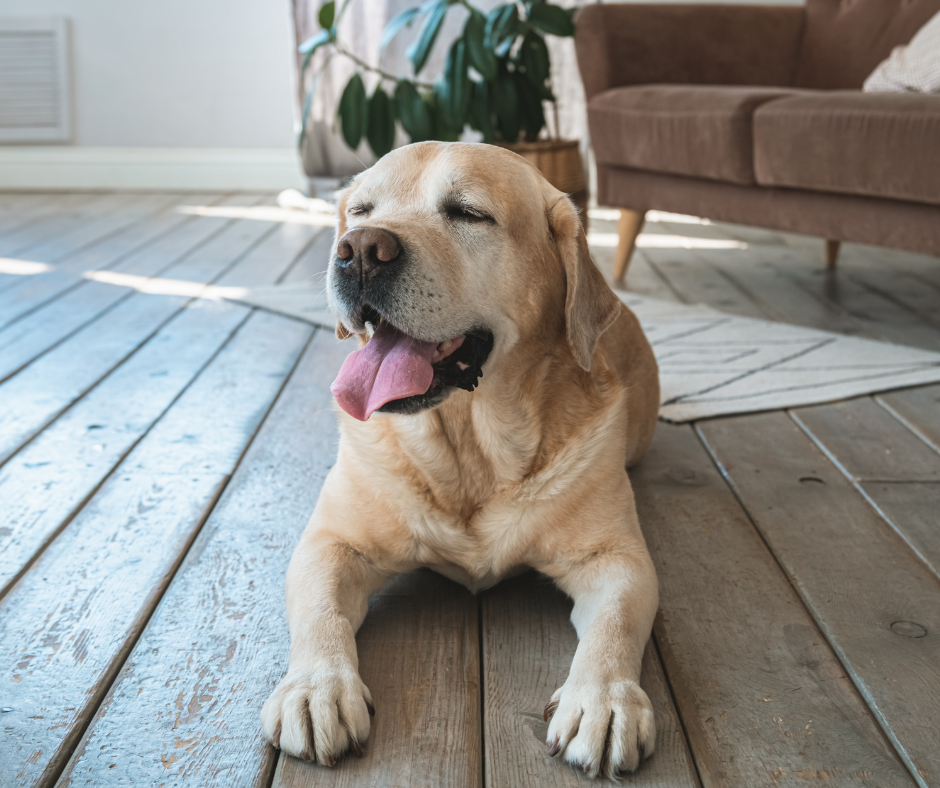
To check your pet’s breathing rate, wait until they are calm or asleep. Watch their chest rise and fall, counting one full rise and fall as one breath. Count the breaths for 30 seconds, then multiply that number by two.
Exercise, heat, excitement, stress, and even purring can affect breathing, so try to measure your pet when they are truly relaxed.
Why Is My Pet Breathing Fast While Resting?
There are many possible reasons a pet may breathe faster than usual. Some are temporary, while others need prompt veterinary attention.
Possible causes include:
- Pain or discomfort
- Fever or infection
- Stress or anxiety
- Overheating
- Heart disease
- Respiratory illness
- Anemia
- Allergic reactions
- Injury or trauma
Other symptoms matter, too. For example, rapid breathing combined with weakness or unusual tiredness may be more concerning. Learn more about when lethargy in pets may signal an emergency.
When Is Fast Breathing an Emergency?
A consistently elevated breathing rate while your pet is resting deserves attention, especially if it is a noticeable change from their normal pattern.
Seek immediate veterinary care if your pet is struggling to breathe, breathing with obvious effort, using their abdominal muscles heavily to breathe, collapsing, or developing pale, blue, or gray gums. Open-mouth breathing in a cat can also be a sign of serious respiratory distress.
VetExpress provides emergency care for pets experiencing trouble breathing and other serious symptoms. If you are unsure about the appropriate level of care, you can also read about the difference between urgent care and emergency care.
How Will a Veterinarian Check My Pet’s Breathing?
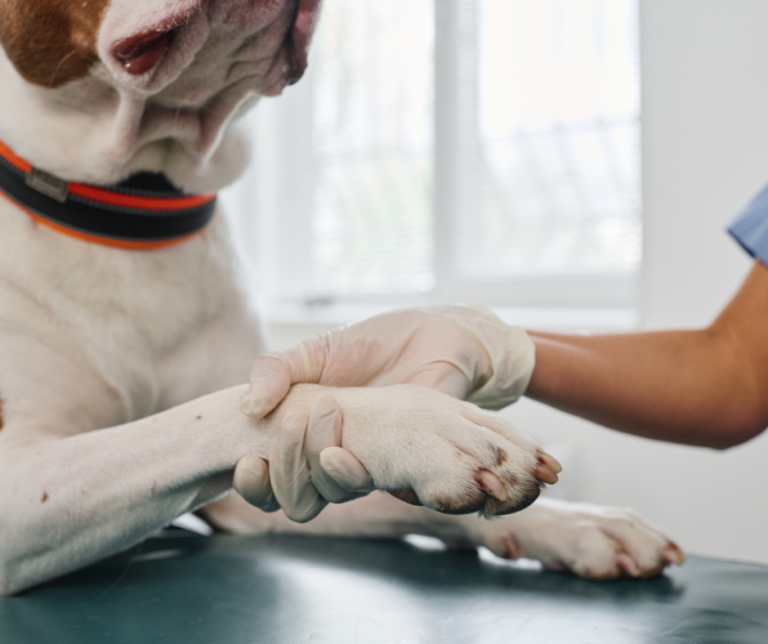
A veterinarian may listen to your pet’s heart and lungs, check their temperature and oxygen levels, and look for other signs of illness or injury. Depending on the findings, diagnostic testing may include bloodwork, digital radiology, or a brief ultrasound exam.
If your dog or cat is breathing faster than usual while resting, pay attention to the pattern and any other symptoms. When the change is persistent, unexplained, or accompanied by difficulty breathing, contact VetExpress Animal Urgent Care for guidance and care.
Our customized treatment plans, surgical procedures, and aftercare support are always delivered with compassion and a full understanding of your pet’s medical history. Your emergency is our top priority. If your pet is in need in Richmond or the surrounding areas, including Rosenberg, Sugar Land, Missouri City, or Katy, we’re here to help.