Why Is My Dog’s Hot Spot Spreading So Fast?
If your dog’s hot spot seems to have doubled in size overnight, you are not imagining it. Hot spots, also called acute moist dermatitis, can develop and worsen quickly because itching leads to licking, chewing, and scratching, which further irritates the skin.
At VetExpress Animal Urgent Care in Richmond, Texas, we treat pets experiencing sudden illnesses and other problems that may need prompt attention. Knowing what a hot spot looks like and when it is time to see a veterinarian can help keep a small irritation from becoming a much bigger problem.
What Does a Hot Spot Look Like on a Dog?
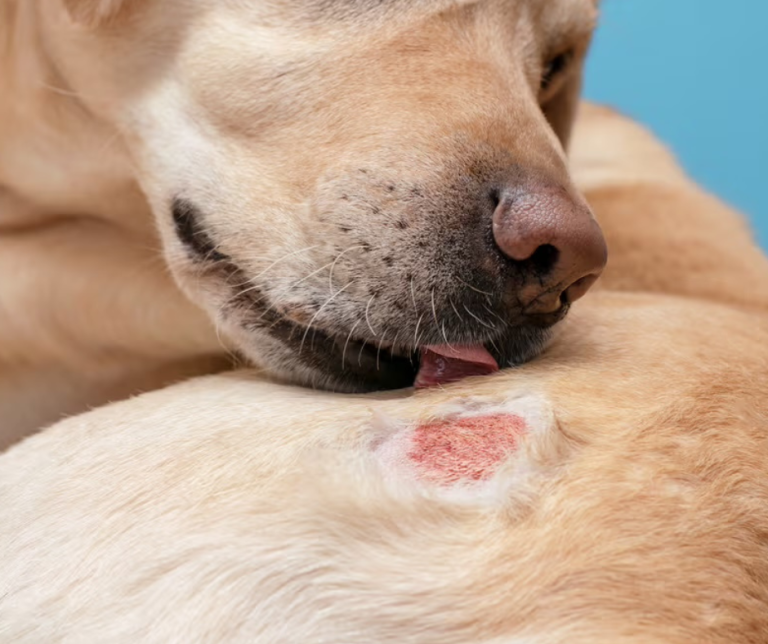
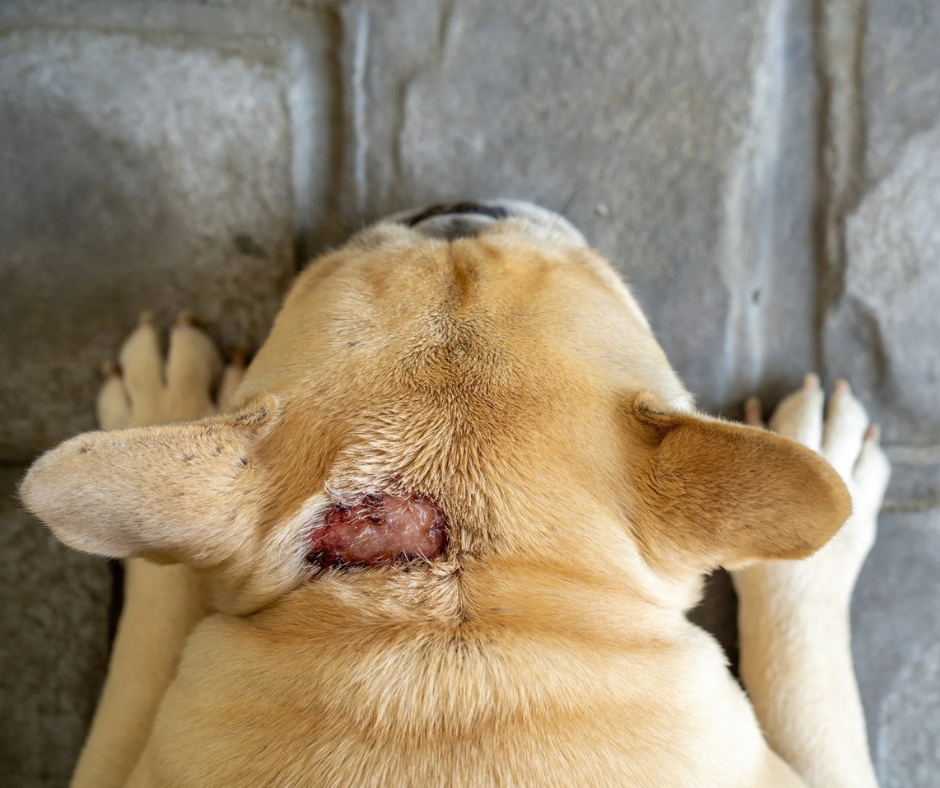
A hot spot is typically a red, inflamed, moist area of skin. It may look raw, ooze fluid, develop an odor, or become covered by matted fur. Hot spots can appear anywhere on the body, but they are commonly found on the head, legs, and hips.
Because fur can hide the irritated area, you may first notice your dog repeatedly licking, scratching, or chewing one spot.
Why Is My Dog’s Hot Spot Getting Bigger So Quickly?
Hot spots can spread rapidly because dogs often make the irritation worse themselves. Once the skin starts itching, your dog may lick or scratch it for relief. That damages the skin further, creating more inflammation and even more itching.
Several issues can trigger that cycle, including:
- Fleas or other insect bites
- Environmental or food allergies
- Skin infections
- Moisture trapped against the skin
- Irritation or another source of discomfort
Finding the underlying cause matters, especially if your dog develops hot spots repeatedly. VetExpress provides care for a range of pet illnesses and infections, including problems that may require attention outside your regular veterinarian’s hours.
Can a Dog’s Hot Spot Heal on Its Own?
A very small area of mild irritation may improve once the licking and scratching stop, but hot spots can worsen quickly. If the area is growing, painful, oozing, foul-smelling, or clearly bothering your dog, veterinary care is a safer choice.
A veterinarian can examine the skin, determine how extensive the problem is, and look for the reason it developed. Treatment may involve clipping hair away from the area, cleaning the affected skin, controlling itching and inflammation, and treating an infection when one is present.
Avoid putting medications or household products on a hot spot unless your veterinarian recommends them. Some products can irritate damaged skin, and licking may expose your dog to ingredients that are not safe to swallow.
When Does a Hot Spot Need Veterinary Care?
- The spot is becoming noticeably larger
- Your dog cannot stop licking, biting, or scratching it
- The skin is bleeding, oozing, swollen, or painful
- You notice pus or a strong odor
- Your dog seems unusually tired or unwell
- Hot spots keep coming back
Skin problems do not always happen during regular veterinary office hours. VetExpress offers urgent care services for dogs and cats when your regular veterinarian is unavailable, including care for illnesses, infections, and other unexpected health concerns.
If your dog develops a painful or rapidly worsening hot spot, contact VetExpress Animal Urgent Care for guidance and care. Our customized treatment plans, surgical procedures, and aftercare support are always delivered with compassion and a full understanding of your pet’s medical history. Your emergency is our top priority. If your pet is in need in Richmond or the surrounding areas, including Rosenberg, Sugar Land, Missouri City, or Katy, we’re here to help.