

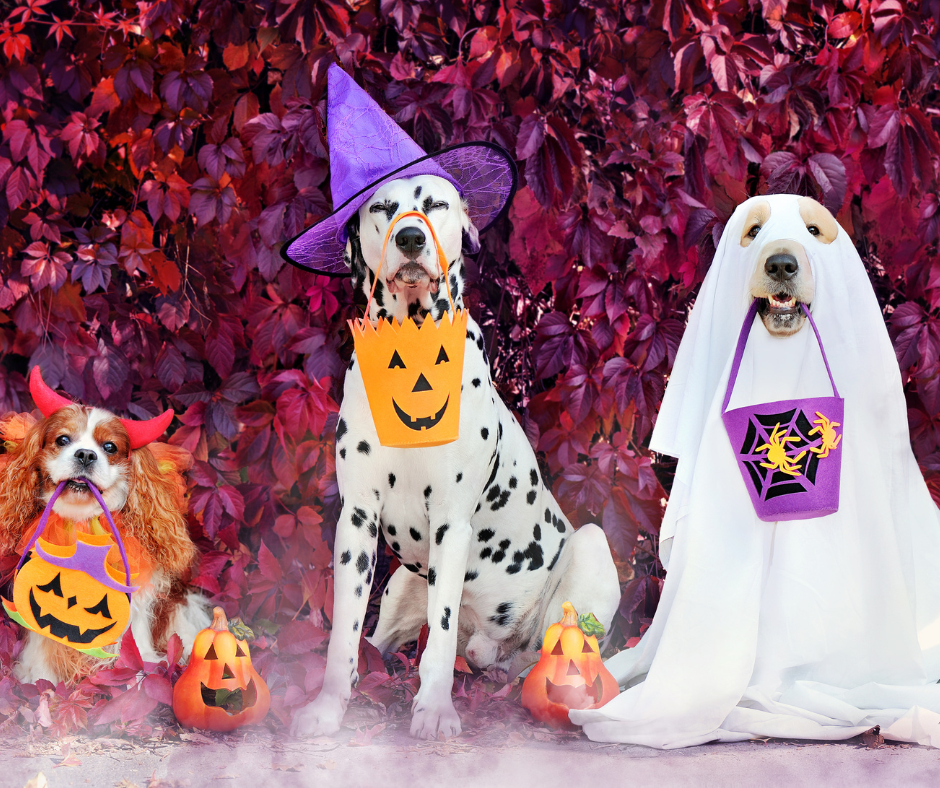
Keep the Treats Away: The Hidden Dangers of Halloween Candy for Dogs and Cats
Halloween is a fun and festive holiday for families, but it can be a dangerous time for our furry friends. From bowls of chocolate to sugar-free treats containing artificial sweeteners, Halloween candy poses serious health risks for dogs and cats.
Below, VetExpress Animal Urgent Care outlines what makes Halloween sweets so hazardous and provides important tips for keeping your pets safe.
Why Chocolate Is Toxic for Pets
Chocolate is one of the most common Halloween treats, and one of the most dangerous for pets. It contains theobromine and caffeine, two substances that pets cannot metabolize effectively. Even small amounts can cause:
- Vomiting and diarrhea
- Restlessness or hyperactivity
- Rapid heart rate
- Seizures
- In severe cases, death
Dark chocolate and baking chocolate contain higher concentrations of theobromine, making them even more toxic than milk chocolate. Dogs are especially at risk because they are more likely to eat large quantities of chocolate if left unattended.
The Risks of Artificial Sweeteners
Another hidden danger during Halloween is sugar-free candy and gum containing xylitol, a popular artificial sweetener. Xylitol is extremely toxic to dogs, even in very small amounts. It can cause a rapid release of insulin, leading to dangerous drops in blood sugar.
Symptoms may include:
- Weakness or lethargy
- Loss of coordination
- Seizures
- Liver failure
Cats are less likely to consume xylitol, but it is still toxic for them as well. If your pet ingests sugar-free candy or gum, seek emergency veterinary care immediately.
Other Candy Concerns
While chocolate and xylitol are the most dangerous, other Halloween treats can still cause harm:
- Hard candies and lollipops: choking hazards or blockages if swallowed
- Candy wrappers: can lead to intestinal obstruction
- High-sugar candy: may upset your pet’s stomach and contribute to pancreatitis
Even if a candy doesn’t contain chocolate or xylitol, it’s safest to keep it far away from your pets.
How to Protect Your Pets on Halloween
- Keep candy bowls out of reach: Store treats in closed containers, high off the ground.
- Educate family members: Make sure children understand not to share candy with pets.
- Dispose of wrappers properly: Pets can be drawn to the smell and accidentally ingest them.
- Have a pet-safe treat alternative: Keep pet-friendly snacks on hand so they don’t feel left out.
What to Do if Your Pet Eats Candy
If you suspect your pet has ingested chocolate, xylitol, or other Halloween candy, don’t wait for symptoms to appear. Contact a medical professional. Quick action can save your pet’s life.
Keep Halloween Fun—And Safe—for Everyone
Halloween should be a time for fun, not an emergency vet visit. By keeping candy out of reach and staying alert, you can protect your pets from toxic treats. If your pet does get into Halloween candy, our emergency veterinary team is here to help 24/7.
At VetExpress Animal Urgent Care, our customized treatment plans, surgical procedures, and aftercare support are always delivered with compassion and a full understanding of your pet’s medical history. Your emergency is our top priority. If your pet is in need in Richmond or the surrounding areas, including Rosenberg, Sugar Land, Missouri City, or Katy, we’re here to help. Contact us to schedule an appointment today!


